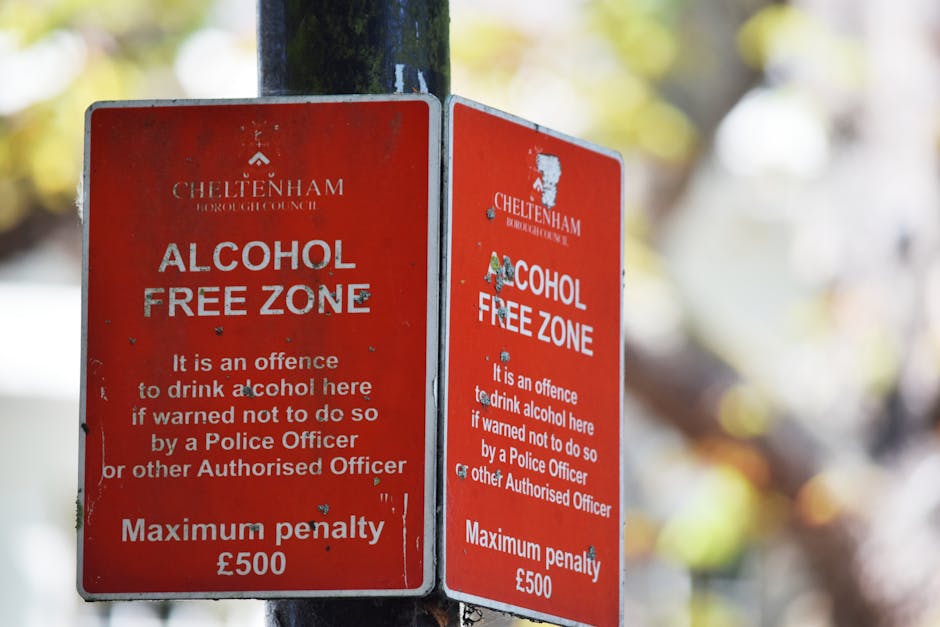
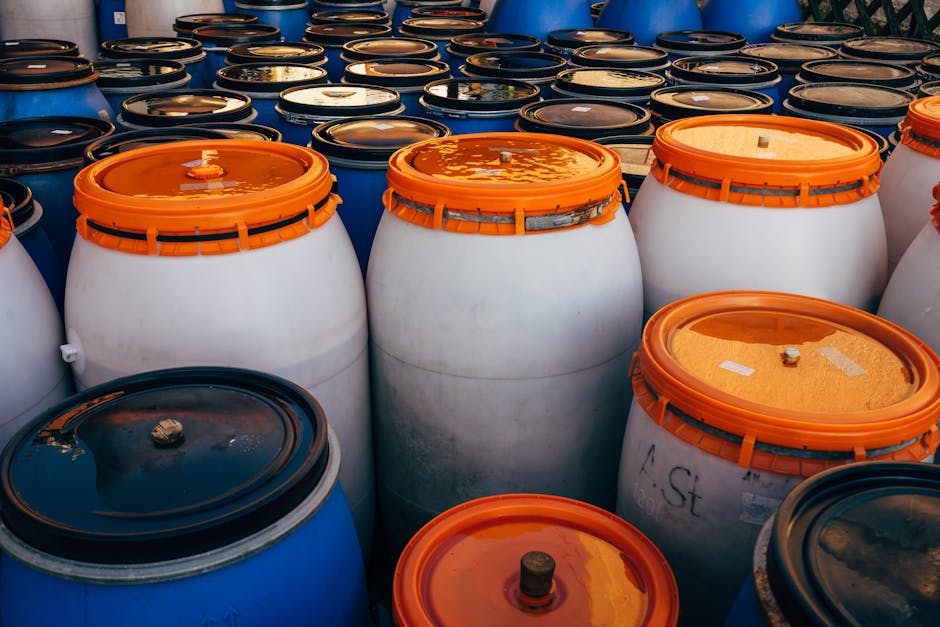
Barnet Council rules for hazardous waste in Mill Hill: a practical guide for residents and businesses
If you have a leaking paint tin, an old fluorescent tube, a box of cleaning chemicals, or a battered battery sitting in the corner of the shed, you are probably asking the same thing: what are the Barnet Council rules for hazardous waste in Mill Hill, and how do I deal with this without making a mess of it? Fair question. Hazardous waste is one of those topics that sounds simple until you are staring at a half-full container of something you do not want near a wheelie bin. This guide breaks it down in plain English, with local context, sensible steps, and the sort of practical detail people usually need on a Tuesday afternoon when the garage is already full.
We will cover what hazardous waste actually means, why the rules matter, how collection and disposal normally work, common mistakes to avoid, and when it makes sense to use a professional clearance service. You will also find a checklist, a comparison table, and answers to the questions people in Mill Hill most often ask.
Contents
- Why Barnet Council rules for hazardous waste in Mill Hill matters
- How Barnet Council rules for hazardous waste in Mill Hill works
- Key benefits and practical advantages
- Who this is for and when it makes sense
- Step-by-step guidance
- Expert tips for better results
- Common mistakes to avoid
- Tools, resources and recommendations
- Law, compliance, standards, or best practice
- Options, methods, or comparison table
- Case study or real-world example
- Practical checklist
- Conclusion
- Frequently asked questions
Why Barnet Council rules for hazardous waste in Mill Hill matters
Hazardous waste is not just "difficult rubbish". It can be harmful to people, pets, drain systems, recycling streams, and the wider environment if it is handled badly. In Mill Hill, that matters just as much in a flat near the high street as it does in a house with a leaky shed and a forgotten stack of decorating supplies. Let's face it, people keep this kind of waste longer than they should because they are unsure where it can go. Then it quietly becomes a problem.
Barnet Council rules exist to make disposal safer and more controlled. The point is not to make life awkward; it is to stop hazardous materials ending up in the wrong place, where they can contaminate other waste, create fire risk, or expose handlers to fumes or cuts. If you are clearing a loft, emptying a garage, moving out of a flat, or tidying up a small office, the rules help you decide what to separate, what to store, and what to hand over to the right route.
It also saves time. When hazardous items are sorted early, the rest of a clearance is far smoother. We have seen plenty of jobs where one little box of chemical cleaners slows the whole process because nobody planned for it. A bit of sorting at the start avoids that awkward pause later.
Key point: hazardous waste should be identified early, kept separate, and dealt with through the correct local route or a properly equipped clearance service.
How Barnet Council rules for hazardous waste in Mill Hill works
At a practical level, hazardous waste rules usually come down to three things: identifying the waste, storing it safely, and using the appropriate disposal route. The council's role is to guide residents toward safe handling and proper collection options, while ensuring waste is not mixed with general household rubbish.
In everyday terms, here is how it tends to work:
- Identify the item. Look for labels, symbols, smells, leaks, corrosion, or signs that the item contains chemicals or harmful materials.
- Keep it separate. Do not put it in your normal bin, mixed recycling, or a black sack with general waste.
- Store it safely. Keep lids on, upright if possible, away from heat, children, and pets.
- Choose the correct disposal route. That may mean a council-led disposal option, a designated collection point, or a licensed waste carrier for larger quantities.
- Hand it over properly. When using a professional service, make sure they understand exactly what the waste is before collection day.
Some items are straightforward, some are not. A half-empty tin of gloss paint is different from a canister of solvent. A single battery is different from a store room full of mixed electrical waste. That is why it helps to treat hazardous waste as a category rather than just a random pile of awkward objects.
If you are dealing with wider property clearance at the same time, services such as house clearance, home clearance, or garage clearance can be useful, provided the hazardous items are flagged first. That bit matters. No surprises is always better.
Key benefits and practical advantages
Following the rules properly is not just about staying on the right side of local requirements. There are some very real practical upsides too.
- Safer handling: fewer leaks, fewer fumes, less chance of skin contact or accidental mixing.
- Less contamination: hazardous items kept apart protect the rest of your rubbish and any recyclable material.
- Smoother clearance: the job moves faster when the dangerous stuff is identified early.
- Lower stress: you know what is going where, instead of guessing on the day.
- Better environmental outcomes: proper disposal is cleaner and more responsible, plain and simple.
There is also a business advantage if you are clearing a commercial property in Mill Hill. Offices, shops, and light industrial spaces often have mixed waste streams, and even a small amount of hazardous material can change how the whole clearance needs to be handled. That is where a service like business waste removal or office clearance can be helpful, because the waste plan can be built around the items you actually have, not just the ones you hoped would be simple.
Who this is for and when it makes sense
This guide is relevant to a lot more people than you might think. Hazardous waste crops up in ordinary homes, rented flats, gardens, garages, and workplaces all the time.
You will most likely need to pay attention if you are:
- clearing out a loft, garage, or shed full of old household items
- moving out and finding leftover cleaning products or batteries
- doing a renovation and uncovering paint, glue, sealants, or solvents
- managing an office tidy-up with printer consumables, batteries, or electrical waste
- emptying a property after a long tenancy or probate situation
- sorting a builders' store or workshop where materials have built up over time
There is a particular moment in many clearances when people say, "Oh, I forgot about that box." Usually it is the box with the aerosol cans, old varnish, and one mysterious bottle with no label. That is the moment to pause. If it feels doubtful, treat it as hazardous until you know otherwise.
For larger clear-outs, a broader service such as waste removal or builders waste clearance may be useful, but only after the hazardous materials have been separated and described accurately.
Step-by-step guidance
If you want a calm, organised way to deal with hazardous waste in Mill Hill, use this approach. It is simple, but it works.
1. Make a first pass through the waste
Walk through the area and group the waste into broad categories: general rubbish, recyclables, electricals, and anything that looks chemical, pressurised, sharp, or contaminated. Do not overthink the first pass. Just separate the obvious hazards from the rest.
2. Check labels and containers
Look for warning symbols, product names, ingredients, corrosion, or damaged packaging. A faded label can be annoying, yes, but even partial information helps. If a container has leaked or bulged, treat it with extra caution.
3. Do not mix incompatible items
This is where people get caught out. Solvents, oils, cleaning agents, bleach, and pesticides should not be poured together or tipped into other containers. Mixing can create dangerous reactions, fumes, or heat. Not ideal, to say the least.
4. Store the waste securely
Keep hazardous items upright, closed, and away from direct sun or heat sources. Use a tray or box to contain minor leaks. If you are holding items for a short while before collection, place them somewhere ventilated and out of reach of children and pets.
5. Decide on the disposal route
For a few small items, local council guidance and appropriate drop-off arrangements may be enough. For larger volumes, mixed property clearances, or items that are awkward to transport, a licensed clearance company is usually the safer, simpler choice.
6. Tell the collector exactly what you have
This is the bit that saves everyone a headache. Be specific. Say if there are paints, solvents, batteries, fluorescent tubes, oil, or anything else unusual. If the waste includes items from a loft, garage, or outbuilding, mention that too. A good collection team can only plan properly if they know what they are walking into.
7. Keep records if it is commercial waste
If you are a business, records matter. Make sure your documentation, transfer notes, and disposal paperwork are in order where required. It is the boring bit, maybe, but it protects you later.
Expert tips for better results
These are the little things that make the process smoother in the real world.
- Use a "questionable items" box. Put uncertain items together and review them last instead of guessing as you go.
- Take photos before collection. Handy if you need to describe items clearly or compare quotes.
- Keep batteries separate. Loose batteries should not be rattling around in drawers or mixed boxes.
- Check hidden storage spots. Under sinks, behind sheds, in stair cupboards. That is where the old stuff tends to lurk.
- Think about weather. A damp, cold evening is not the time to leave paint tins outside uncovered. Mill Hill weather can be a bit grim, frankly.
- Plan the whole clearance, not just the hazard. If you are clearing furniture at the same time, services like furniture clearance or furniture disposal may fit into the same visit once the risky items are separated.
A small practical note: if something smells strong, hisses, leaks, or looks suspiciously swollen, stop there. Do not try to be heroic. "I'll just shift it quickly" has caused more trouble than people like to admit.
Common mistakes to avoid
Most hazardous waste mistakes are not dramatic. They are ordinary, rushed, and very human. The problem is that ordinary mistakes can still create a lot of hassle.
- Putting hazardous waste in general rubbish. This is the most common and most avoidable mistake.
- Breaking containers open. If a product is sealed, leave it sealed unless you are specifically trained to handle it.
- Assuming all paint is the same. Water-based and solvent-based products can have very different handling needs.
- Ignoring old electricals. Some items contain batteries, capacitors, or other components that need separate treatment.
- Waiting until the last minute. Hazardous waste always takes longer when the collection date is tomorrow.
- Not telling the removal team. Surprise hazardous waste is nobody's favourite surprise.
If you are doing a full property or flat clearance, using a service such as flat clearance can work well for the bulk of the job, but the hazardous section still needs special handling. Keep that distinction clear and the whole process becomes easier. Much easier.
Tools, resources and recommendations
You do not need a warehouse full of equipment to manage hazardous waste well. A few simple items make a real difference.
- strong gloves for handling sealed items with care
- boxes or tubs for separating categories
- labels or masking tape and a marker pen
- a torch for checking sheds, loft corners, and under-shelf storage
- old towels or absorbent material for small leaks
- a camera phone for quick reference photos
If the waste is part of a larger property clear-out, it can also help to think in zones: loft, garage, garden, office, kitchen, and utility space. That is often how people find the hidden items. One room at a time. No grand drama. Just steady sorting.
For household spaces, loft clearance and garden clearance are especially relevant because hazardous items often turn up in both places, tucked behind old storage boxes or under outdoor shelving.
If you want reassurance about how a company works before booking, pages like about us, health and safety policy, insurance and safety, and recycling and sustainability can be useful background reading.
Law, compliance, standards, or best practice
Hazardous waste disposal in the UK is regulated, and the exact duties can vary depending on whether you are a resident, landlord, tradesperson, or business. So this is where caution matters. The broad best practice is simple: store hazardous waste safely, do not mix it with general waste, and use a properly authorised route for disposal or collection.
For businesses, compliance is usually stricter. You may need to keep proper transfer records, identify waste correctly, and ensure the carrier handling it is authorised to do so. For homeowners, the obligations are generally less formal, but safety still matters. A cupboard full of old chemicals is still a risk, whether it is in a shop or a semi-detached house.
Best practice in Barnet, as elsewhere, is to be honest about the waste type, avoid guesswork, and keep anything questionable out of the general waste stream. If you are unsure, ask before you move it. That one pause can prevent a nasty spill or an expensive mistake.
Practical rule of thumb: if it could burn, corrode, leak, react, or contaminate other waste, treat it as a separate category until it has been identified properly.
For commercial clearances, the paperwork and handling become more important. That is one reason people choose services like business waste removal or office clearance when the waste pile is mixed and time is tight. It is not just about lifting things; it is about handling them responsibly.
Options, methods, or comparison table
Here is a simple comparison of the main ways people deal with hazardous waste in Mill Hill. The right choice depends on volume, risk, convenience, and whether the waste is household or commercial.
| Method | Best for | Pros | Watch-outs |
|---|---|---|---|
| Separate and hold for guidance | One or two small items | Low effort, keeps the waste isolated | Needs safe storage and patience |
| Council-led disposal route | Small household quantities | Usually straightforward for residents | May have limits on item types or volumes |
| Licensed waste carrier | Mixed, bulky, or awkward waste | Convenient, less lifting, more organised | Needs accurate description of the waste |
| Full property clearance with hazardous sorting | Lofts, garages, offices, moves, probate | Efficient for larger jobs, less stress | Hazardous items must be declared clearly |
For example, a few paint tins from a decorating project may only need careful separation and the right disposal route. But a full garage packed with old tins, batteries, broken tools, and oily materials is a different story. That is when a professional, well-planned clearance becomes the practical answer.
Case study or real-world example
Imagine a Mill Hill family clearing out a long-neglected garage before a house sale. At first glance it looks simple: old chairs, a child's bike, some boxes, and a couple of black sacks. Then they spot a shelf of half-used paint tins, a cracked bottle of weed killer, a few loose batteries, and a fluorescent tube leaning against the wall like it has been waiting there since the last century.
Rather than leaving it all to one side and hoping for the best, they split the job into two parts. The general items were cleared as normal household waste and furniture. The hazardous items were boxed separately, photographed, and described clearly before collection. The result? Less confusion, fewer delays, and no awkward last-minute decisions on the driveway.
That is the pattern you see again and again. Once the hazardous part is isolated, the rest of the clearance becomes much calmer. Not glamorous, perhaps. But calm is good.
Practical checklist
Use this quick checklist before you arrange collection or disposal.
- Have you identified all potentially hazardous items?
- Are the items kept separate from general waste and recycling?
- Are containers sealed, upright, and not leaking?
- Have you checked for batteries, aerosols, chemicals, oils, or fluorescent tubes?
- Have you taken photos or notes if the items are unusual?
- Have you told the collector exactly what is included?
- Are children, pets, and heat sources kept away from the waste?
- Have you confirmed whether the waste is household or business-related?
- Do you have any paperwork you need to keep?
- Have you planned the rest of the clearance around the hazardous items?
If you are doing a wider tidy-up, a service like home clearance or loft clearance can sit neatly alongside the hazardous waste plan, as long as the risky materials are flagged first.
Conclusion
Understanding Barnet Council rules for hazardous waste in Mill Hill is really about one thing: handling awkward items safely and sensibly before they become a bigger problem. Once you know what to separate, how to store it, and who can take it, the whole job gets much easier. And yes, a bit less annoying too.
Whether you are clearing a house, emptying a garage, sorting a loft, or dealing with a commercial space, the same principles apply. Identify the hazardous waste early, keep it separate, and use the correct route for removal. That approach protects people, keeps the rest of the clearance moving, and gives you far more confidence on collection day.
If you are comparing options or want to talk through a mixed clearance with hazardous items included, start with the information on pricing and quotes and then decide what fits the job best. Simple, sensible, done properly.
Get a free quote today and see how much you can save.
Sometimes the best bit of a difficult clear-out is just getting it off your mind. One box at a time, and you are there.
Frequently Asked Questions
What counts as hazardous waste in a typical Mill Hill home?
Common examples include paint, solvents, cleaning chemicals, pesticides, aerosols, batteries, fluorescent tubes, oils, and some electrical items. If it can leak, corrode, burn, or react, treat it carefully.
Can I put hazardous waste in my normal bin?
No, that is usually the wrong route. Hazardous items should be kept separate from household rubbish because they can contaminate other waste and create safety risks during handling.
What should I do if a container is leaking?
Do not shake it or move it around more than necessary. Keep it upright if safe to do so, place it in a secondary container if possible, and arrange proper disposal as soon as you can.
Do Barnet Council rules for hazardous waste in Mill Hill apply to small amounts too?
Yes, even small amounts should be handled correctly. A single can of solvent or a few loose batteries may seem minor, but they still need the right treatment and should not go into general waste.
Can a clearance company take hazardous waste with the rest of the rubbish?
Sometimes yes, but only if they are told about it in advance and the waste is suitable for the service they provide. The hazardous items must be identified clearly so they can be handled properly.
What if I am clearing an office, not a house?
Commercial waste can involve stricter handling and record-keeping. Batteries, printer consumables, chemicals, and mixed electrical waste should be assessed carefully, and business records may need to be retained.
How do I store hazardous waste before collection?
Keep it sealed, upright, and away from children, pets, heat, and direct sunlight. If there is any risk of a leak, put the item in a secondary tray or box and avoid moving it unnecessarily.
Is old paint always hazardous?
Not always in the same way, but it should still be treated with care. The product type matters, especially if it is solvent-based, badly stored, or leaking. If you are unsure, do not guess.
What is the safest way to dispose of batteries?
Keep them separate from other waste and avoid letting loose terminals touch metal objects. Batteries should not be thrown into mixed household waste because of fire and contamination risk.
Do I need paperwork for hazardous waste at home?
Usually household disposal is less formal than business disposal, but it is still wise to keep notes or photos if the items are unusual. For business waste, proper records are more important and may be required.
What if I have hazardous waste mixed with furniture or household items?
Separate the hazardous items first, then book the rest of the clearance. Mixed loads are common, especially during moves and property clear-outs, but the risky materials still need their own plan.
Who should I contact if I am not sure what an item is?
Start by describing the item clearly and checking any labels or markings. If it still looks uncertain, keep it isolated and ask for advice before moving it. That cautious pause is usually the best decision.