Office Clearance in Mill Hill

Office clearance in Mill Hill needs to be practical, tidy and carefully managed around the realities of desks, filing, IT equipment, storage and mixed workplace furnishings. We provide a clear service for businesses that want workspaces emptied with as little disruption as possible, whether the task is a single room, a suite of rooms or a complete commercial clear-out. The aim is straightforward: remove unwanted items responsibly, keep the process organised, and leave the space ready for its next use.
Our office clearance work can include the removal of furniture, archived paperwork, shelving, monitors, redundant cabinets and other items that have built up over time. The service is useful when a lease is ending, a department is being reconfigured, or surplus equipment simply needs to go. For many customers, the most important part is knowing that the job will be handled methodically, with attention paid to access routes, sorting and the separation of items that may need different handling.
When you are ready to plan a clearance, it helps to identify what stays, what goes and what needs special handling before the work starts. A short written list is often enough to begin with, and it can make the quotation stage easier to understand. If you already know the main items involved, you can begin by looking at our core office clearance options and then request a quote in the way that suits you best.
Workspace clearances for changing business needs

Modern offices rarely stay the same for long. Teams change, storage fills, old desks accumulate, and areas that once served one purpose may need a completely different layout. Our clearance service is designed to help remove the items that no longer fit the space so that the room can be put back to practical use. That can mean clearing open-plan work areas, back offices, reception rooms, storage corners or meeting rooms that have collected surplus furniture.
Because every workplace is arranged differently, the work is usually best approached in stages. Large desks may need to be dismantled, cabinets may need to be carried through narrow corridors, and items stored in upper floors or basement rooms may require a more measured plan. We can also take on furniture that is heavy, awkward or mixed in with lighter items, so the clearance stays orderly rather than becoming a rushed pile of removals.
For straightforward planning, it is often useful to think in terms of category rather than just quantity. Chairs, tables, shelving, screens, personal storage, archive boxes and loose equipment may all need a different approach. If your office still contains items with live cables, confidential paperwork or reusable fittings, those should be separated before removal. Keeping the clearance organised from the start saves time later and helps the work progress in a calmer sequence.
Furniture removal and disposal

Office clearances often begin with furniture, because desks, storage units and meeting tables usually take up the most space. Our furniture removal and disposal service covers the lifting and taking away of items that are no longer required, making it easier to free up floor area or prepare a suite for refurbishment. Where pieces are still usable but simply not needed, they can be separated from worn or damaged items so the clearance is more efficient.
Furniture often arrives in offices as a mix of styles and sizes, which means each item has to be assessed rather than treated as though it is identical to the next. Pedestal desks, boardroom tables, office chairs, filing cupboards and reception seating all need different handling. Some items can be moved whole, while others are easier to manage when taken apart first. The work is handled with care so that walls, flooring and door frames are not unnecessarily scuffed during removal.
If your office contains a broader mix of loose items, a useful way to prepare is to group them by type. For example, keep seating together, stack smaller furniture items safely and separate anything fragile from bulkier pieces. A short walk-through before the clearance can help you decide what should remain. Clear boundaries make the job simpler, especially where multiple staff members have used the same space over time.
Paperwork, files and mixed contents
Many office clearances include more than furniture. Filing shelves, boxed records, stationery stock, outdated display materials and miscellaneous contents can all need to be removed at the same time. When a workspace has been used for years, these smaller items can be just as time-consuming as the larger pieces, because they are often spread across cupboards, drawer units and storage rooms rather than kept in one place. A careful clearance helps bring order to that mixed content.
Paper-heavy areas require particular attention. Files may contain material that should be reviewed before removal, and some records need to be kept separately from general waste. If you are sorting through archives, it can be helpful to make a quick distinction between documents to retain, documents to archive elsewhere and items that are ready to be cleared. This keeps the work more controlled and reduces the risk of unnecessary disposal of useful material.
If you are preparing an enquiry, a short inventory is usually more helpful than a vague estimate. Note the main rooms involved, the type of contents present and whether there are any items that are too large or awkward to move easily. That gives us a clearer picture of the work involved and helps us respond with a quotation that reflects the actual scope of the clearance rather than a rough assumption.
IT equipment, fixtures and responsible sorting

Offices increasingly contain more than desks and paperwork. Monitors, printers, docking units, cables, wall-mounted storage, whiteboards and other fixtures can form part of the clearance too. These items often need a more considered approach because they are not all handled in the same way. Some are compact but delicate, while others are awkward to detach or carry through restricted access. A structured clearance keeps these pieces separate from general furniture and clutter.
We also recognise that many businesses want their clearance handled with sensible sorting in mind. Items that are reusable, recyclable or suitable for separate processing should be distinguished from ordinary mixed contents wherever practical. The same applies to loose electrical equipment and fittings that may need different handling from standard office furniture. The work is not just about removing volume; it is about making sure the right items are dealt with in the right order.
An enquiry is easier to assess when you describe any special items clearly. If the office includes locked cabinets, wall-mounted fittings, bulky equipment or pieces that need disassembly, mention them alongside the room layout and access details. If helpful, send a short list rather than a long explanation. Concise information is usually enough to start the quoting process, and it gives a better basis for planning the clearance properly.
About Mill Hill

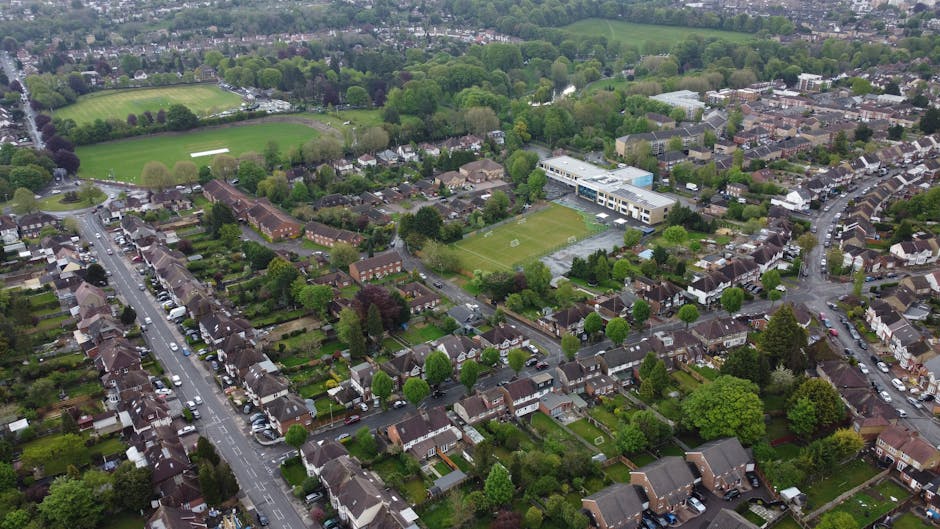
Mill Hill is a north-west London area with a strong sense of place shaped by its mix of village history, suburban growth and open green edges. The name is commonly associated with the higher ground around the settlement, and the area developed over time from an older rural community into a well-connected part of the capital. Mill Hill Broadway serves as a familiar focal point, with shops, services and transport links helping to organise everyday life. The railway station, opened in the 19th century, contributed to residential expansion and made the area more accessible as London spread outward. In another direction, the landscape opens towards wide green spaces that remain one of Mill Hill’s defining features, including the grounds and routes around Totteridge Valley and the nearby nature reserve at Scratchwood. The district also contains notable educational and institutional landmarks, among them the historic Mill Hill School, founded in the 18th century, whose long-established presence reflects the area’s earlier suburban and independent identity. Architecture in the district varies from older houses and village remnants to later residential streets and commercial buildings, giving the locality a layered character rather than a single uniform centre. Local roads, small parades and green corridors create a setting that feels connected to central London but still distinct in texture. For that reason, Mill Hill is often described through its balance of residential calm, transport access and open land, with landmarks and everyday amenities spread across a broad but recognisable area.
Commercial clearances for landlords, agents and relocations
Office clearance work is not limited to one type of business customer. It is also useful for landlords, property managers, agents and organisations that need a space emptied between tenancies or before refurbishment. In those situations, the main priority is often to return the premises in a tidy and workable condition so that the next phase of the property can proceed. That may involve removing leftover furniture, loose contents, fixture debris and general office items that have been left behind.
Where a business is relocating, the clearance often needs to be timed around packing, handover dates and access arrangements. The work can be planned around the remaining items that are staying in the new premises and the contents that no longer need to move at all. This makes the service useful when an office is being reduced, consolidated or reconfigured rather than fully vacated. The fewer unnecessary items that remain, the easier it is to focus on the move itself.
To keep things efficient, it helps to decide early whether the clearance is for one room, an entire floor or a broader set of rooms across a building. That answer affects labour, access and sorting. If there are multiple floors, loading restrictions or shared entrances, mention them when you request a quotation. Clear access information helps the estimate reflect the real work involved, especially where the site is more complex than a single ground-floor suite.
How we approach office clearance work
Our approach is centred on practical organisation. We look at the nature of the items, the layout of the premises and the way the clearance needs to be staged. That can mean removing bulk furniture first, then dealing with smaller contents, and finally clearing the remaining loose items so the space is ready for cleaning, redecoration or renewed use. A steady sequence is usually more effective than trying to move everything at once.
Every office has different access needs, and that is why a sensible plan matters. Ground-floor spaces may be relatively straightforward, while upper floors, narrow staircases or shared corridors can make the work slower and more methodical. If heavy items need to be turned, lifted or dismantled, they should be identified in advance. This lets us think about the safest route for removal and the most practical order for the job.
Some customers prefer to prepare the site themselves before the clearance begins, while others want the work to cover nearly everything in one go. Either approach can be sensible, provided the scope is agreed beforehand. If you are unsure how to describe the job, start with the rooms involved, the main items present and any access restrictions. Then ask for a quotation based on the actual layout rather than a broad assumption.
Practical details that help with a quotation
A useful quotation is based on practical detail, not guesswork. The best enquiries usually explain what needs to be removed, where it is located and whether there are any items that need special care. Photos can help, but a written note about the rooms, furniture and any unusual access points is often just as useful. The goal is to make the scope clear enough that the quote reflects the work rather than the uncertainty around it.
It is also worth mentioning whether the clearance will involve archived documents, dismantling, awkward lifting or shared building access. Those factors do not automatically make a job difficult, but they do affect planning. If the office is still being used, you may want to flag which areas are live and which are already empty. That helps separate the clearance from the day-to-day running of the business and avoids unnecessary disruption.
You can keep the first step simple: outline the main items, note the number of rooms and let us know when access is available. From there, we can discuss the most suitable approach for the job and the kind of service required. If you are ready to move forward, send the details and request a quotation when it suits you.
Clearance support for different office sizes
Office clearance needs vary a great deal between compact workspaces and larger premises. A small office may only need a few desks, chairs and storage items removed, while a larger site could involve many rooms, duplicated furniture and a much wider mix of contents. Rather than treating every job the same way, the service can be adjusted to suit the size and layout of the premises. That flexibility matters because a well-managed clearance should fit the space it is clearing.
Some clients want one area cleared while keeping neighbouring rooms in use. Others need a broader strip-out of old contents before a fit-out or relocation. The work can be planned to match that purpose, with suitable attention to what remains on site and what is no longer required. The more clearly the destination of the space is understood, the easier it is to prioritise the items that need to go first.
When you compare options, think about more than just the amount of furniture. Consider whether you need mixed-content removal, sorting support, dismantling, or the handling of items that are too bulky for a quick lift-and-carry approach. The right clearance is the one that fits the premises, the contents and the timing of the project, not just the headline number of items involved.
Request office clearance in Mill Hill
If your office in Mill Hill needs clearing, the next step is simply to share what needs removing and how the space is arranged. We can then discuss the most appropriate way to handle the job and prepare a quotation based on the actual work involved. Whether the clearance is for a single room, an emptying-out ahead of a move, or a larger set of office contents, the aim is to keep the process straightforward and properly organised.
It can be helpful to think through the main furniture, any paperwork or archives, and anything that may need separating from general contents before the work starts. If the premises have particular access details, such as upper floors, shared entrances or fixed storage areas, include those too. That makes it easier to plan the clearance sensibly and reduces the chance of surprises on the day.
For a prompt start, gather your notes and request a quotation for office clearance in Mill Hill. If you have already reviewed the options, you can also revisit the relevant clearance pages and decide which service best matches the space you need emptied.