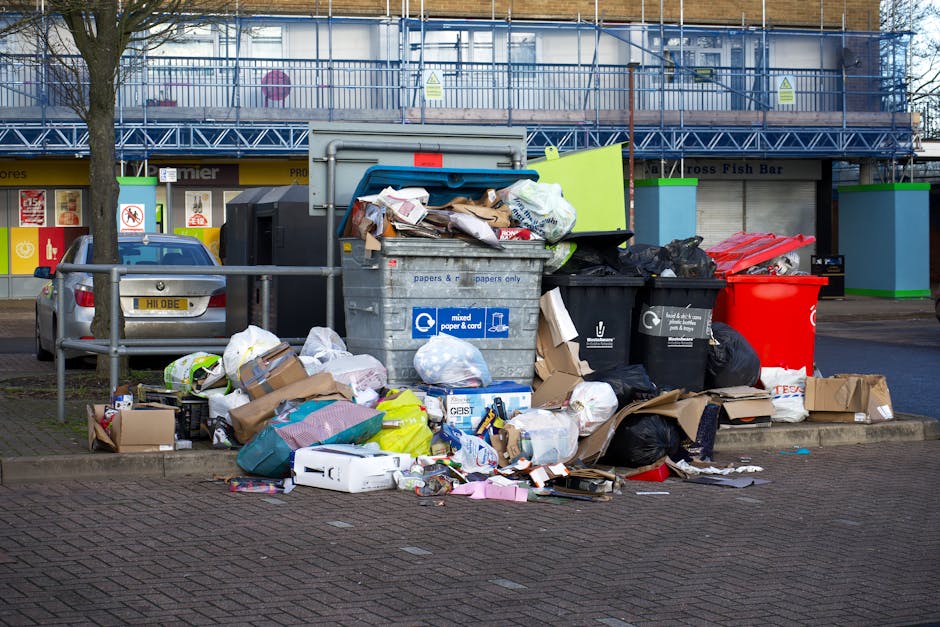
Best rubbish collection points in Mill Hill NW7
If you live, work, or manage property in Mill Hill NW7, knowing the best rubbish collection points can save you time, prevent fly-tipping headaches, and make everyday waste disposal far less stressful. The challenge is that "best" does not always mean closest. It means convenient, legal, safe, and suitable for the type of waste you need to get rid of. A good collection point should match your rubbish, your vehicle access, your timetable, and the rules that apply to your load.
This guide explains how rubbish collection points in Mill Hill NW7 typically work, what to look for before you set off, and when a professional clearance service is a better fit. It also covers practical steps, common mistakes, compliance basics, and a useful comparison of disposal options so you can make a sensible decision without second-guessing yourself.
For larger household clearances, mixed waste, or awkward items such as old furniture, it can help to compare local disposal with a broader service like waste removal in Mill Hill or more specific support such as furniture disposal. That gives you a cleaner, faster route when a standard collection point is not the right answer.
Table of Contents
- Why best rubbish collection points in Mill Hill NW7 matters
- How rubbish collection points in Mill Hill NW7 work
- Key benefits and practical advantages
- Who this is for and when it makes sense
- Step-by-step guidance
- Expert tips for better results
- Common mistakes to avoid
- Tools, resources and recommendations
- Law, compliance, standards and best practice
- Options, methods and comparison table
- Case study or real-world example
- Practical checklist
- Conclusion
- Frequently asked questions
Why best rubbish collection points in Mill Hill NW7 matters
Rubbish collection points matter because waste is one of those everyday tasks that becomes complicated the moment the wrong item is involved. A box of mixed household rubbish is straightforward. A broken wardrobe, a bag of rubble, a load of garden cuttings, or a few weeks' worth of renovation debris is a different story entirely. The right collection point helps you avoid wasted trips, unsuitable disposal, and the temptation to leave items somewhere they should not be left.
In a busy area like Mill Hill NW7, many residents are balancing tight parking, shared access, and limited time. That means choosing a disposal route is often about practicality first and price second. A well-chosen collection point can reduce loading hassle, protect your vehicle from damage, and make sure recyclable materials are separated more effectively. It also helps prevent mistakes that can lead to extra charges or rejected loads.
There is another reason it matters: responsible disposal protects the local environment and the shared spaces around homes, flats, shops, and construction projects. A tidy, legal disposal habit is good for your property and good for the neighbourhood. Truth be told, nobody enjoys seeing a mattress leaning against a wall for two days because the "plan" ran out of steam.
If your waste is more than a small household load, it may be worth looking at a structured collection service such as house clearance in Mill Hill or home clearance instead of trying to force everything through a standard drop-off route. That is especially useful when the clock is against you.
How rubbish collection points in Mill Hill NW7 work
Most rubbish collection points fall into one of a few practical categories. Some accept general household waste, some are better for recycling streams, and others are designed for specific materials such as garden waste, metal, wood, soil, or builder's spoil. The key is to match the site to the waste type before you leave home.
The process is usually simple:
- Sort the waste into clear categories such as general rubbish, wood, green waste, metal, or mixed bulky items.
- Check acceptance rules so you know what the site will and will not take.
- Load safely with heavier items secured and loose debris contained.
- Bring identification or proof of address if the site requires it.
- Follow site instructions on unloading, queueing, and separation.
For many people, the biggest shock is not the disposal itself but the amount of sorting involved. A mixed load that looks simple at the kerb can become awkward quickly if one item is contaminated with paint, plaster, oils, or food waste. That is why it is worth checking how the waste will be accepted before you make the journey.
If your load contains furniture, appliances, or a mix of domestic items, a dedicated clearance option like flat clearance or furniture clearance may be more efficient than doing multiple trips to disposal points. The time saved can be considerable, especially if you do not have a van.
In practice, the best rubbish collection points are the ones that are easy to reach, easy to use, and clear about what they accept. A site with good signage, decent access, and a sensible separation system is worth far more than a cheaper option that turns into a long queue and a confusing unload.
Key benefits and practical advantages
Using the right collection point in Mill Hill NW7 can make rubbish disposal much smoother, but the benefits go beyond convenience. Here are the main advantages people usually notice:
- Cleaner storage at home or work because waste is moved out sooner.
- Better recycling outcomes when items are separated correctly.
- Reduced risk of unsafe dumping or leaving items on the street.
- Lower stress on moving day or project day when everything has a clear exit route.
- Less damage to vehicles and property compared with cramming waste into an unsuitable car boot.
There is also a very practical advantage that people often overlook: a good disposal plan can stop waste from spreading through a property. A garage starts looking like a storage solution, then becomes the place where broken things go to await judgment. If that sounds familiar, garage clearance can be a far more effective next step than trying to nudge everything toward a collection point one bag at a time.
For commercial users, the same principle applies. Offices, shops, landlords, and trades often need predictable disposal that does not disrupt the working day. In those cases, a planned service such as business waste removal may deliver more value than ad hoc trips to a public site.
Expert summary: The best disposal choice is not just the nearest one. It is the one that matches your waste type, your schedule, and your capacity to load and transport items safely.
Who this is for and when it makes sense
Rubbish collection points in Mill Hill NW7 are useful for a wide range of people, but they are not always the best answer for everyone. They tend to suit you if you have a relatively manageable load, a suitable vehicle, and enough time to sort and transport waste yourself.
They are especially relevant for:
- Residents clearing out household rubbish after a tidy-up
- People moving home and getting rid of unwanted belongings
- Landlords dealing with leftover items between tenancies
- Gardeners clearing branches, clippings, or soil
- Tradespeople with small volumes of non-hazardous waste
- Offices replacing furniture or removing old stock
They make less sense when the waste is bulky, heavy, contaminated, or emotionally draining to sort. A loft full of mixed belongings, for example, can take half a day to load properly and still end up being the wrong job for a collection point. In that case, a service such as loft clearance or office clearance may be a more efficient fit.
They also make less sense if you are working to a deadline. If you need the space cleared before a sale, a tenancy handover, a renovation start date, or a delivery window, a direct collection service can reduce friction fast.
Step-by-step guidance
If you want to choose the best rubbish collection point in Mill Hill NW7, the trick is to be methodical. A few minutes of preparation before you leave can save a wasted journey later.
1. Identify the exact waste type
Start by separating general waste from recyclable materials, bulky items, garden waste, and construction debris. This matters because many sites accept some streams and not others.
2. Measure the load realistically
Ask yourself whether the waste fits into a standard car, estate, van, or trailer. A load that seems small in a hallway can become awkward once packed. Measure longer items before you start loading, especially wardrobes, bed frames, and timber.
3. Check access and opening arrangements
Look at route access, parking, peak times, and any rules about booking or proof of address. A simple check can prevent a pointless trip across NW7 in traffic.
4. Sort and secure items before departure
Bag loose rubbish, tie down tarps, and protect your vehicle. If you are carrying sharp or dirty waste, use gloves and make sure nothing can shift in transit.
5. Unload in the right order
Follow site instructions carefully. A little patience at the point of unloading usually speeds everything up. Staff can only help if you have already separated things sensibly.
6. Keep evidence if needed
Where relevant, keep receipts or confirmation for your own records. This is useful for landlords, businesses, and anyone accounting for waste disposal in a project file.
If your items are mainly household goods rather than loose rubbish, you may find it easier to pair collection-point disposal with a broader furniture disposal plan so the larger pieces are handled properly first.
Expert tips for better results
After a while, disposal becomes less about brute effort and more about good sequencing. These are the details that make the difference.
- Separate early, not at the gate. Sorting inside the property is much easier than unpacking a mixed load outside the disposal point.
- Keep a "maybe" pile away from the main load. If you are unsure whether an item should be reused, donated, or disposed of, park it separately until you decide.
- Use clear bags for mixed light waste. It helps you see what you have and speeds up checking.
- Plan the trip around your busiest local roads. Mill Hill journeys can feel much longer when traffic and parking are working against you.
- Match the disposal method to the item. Garden cuttings do not belong in the same mental basket as old office chairs.
One small but useful habit is to take photos of larger loads before you leave. It can help you estimate future disposal needs more accurately. Not glamorous, admittedly, but very practical.
If you want a smoother route for mixed items, review a service like recycling and sustainability alongside a standard disposal option. That gives you a better picture of what can be reused, recycled, or responsibly removed.
And if you are dealing with outdoor waste, remember that garden and light builder debris often needs different handling. A dedicated garden clearance can be much more efficient than trying to fit everything into one generic collection run.
Common mistakes to avoid
The most common mistakes are usually the most avoidable ones. They happen when people assume all rubbish collection points work the same way, or when they underestimate how much sorting is involved.
- Turning up with the wrong waste type. A site may not take certain materials, even if they look harmless.
- Overfilling a car. That creates safety problems and can damage both the vehicle and the load.
- Mixing recyclable and non-recyclable material. Contamination can cause the whole load to be treated less efficiently.
- Ignoring size and access limits. Some items are simply better handled through collection rather than self-transport.
- Leaving disposal until the last minute. Rushing leads to bad decisions and poor loading.
- Assuming cheap is always better. A low-cost option can become expensive if it eats time, fuel, and patience.
There is also a softer mistake: trying to do too much yourself when the job is clearly bigger than expected. If you have a property full of mixed items, consider a full house clearance rather than piecemeal disposal. It often saves more effort than people expect.
Tools, resources and recommendations
You do not need specialised equipment to dispose of rubbish well, but a few simple tools make the job easier and safer. Think of them as the unglamorous heroes of tidy disposal.
- Heavy-duty bags or sacks for loose waste
- Gloves for handling sharp, dirty, or awkward items
- Rope or straps for securing loads in transit
- Measuring tape for large furniture or timber pieces
- Labels or markers to separate waste streams clearly
- A phone camera for recording the load before removal
Useful service pages can also act as planning tools. For example, if you are managing a building project, builders waste clearance is a logical reference point for rubble, timber offcuts, packaging, and site debris. If you are clearing a study or workspace, business waste removal can be more appropriate than treating everything as domestic rubbish.
For more general support, start with about us if you want to understand the service approach, or go straight to contact us if you need a tailored quote or specific guidance for an unusual load.
Law, compliance, standards and best practice
Waste disposal in the UK should always be approached carefully. While this article is not legal advice, there are a few straightforward principles worth following.
First, you should only use legitimate disposal routes. Handing waste to an unverified collector or leaving it with someone who cannot clearly explain where it goes can create problems later. Fly-tipping is not just unsightly; it can also create risk for the person who produced the waste if it is traced back incorrectly.
Second, keep waste separated where possible. Good separation supports recycling, helps handlers process material correctly, and reduces contamination. That is especially relevant for wood, metal, green waste, mixed furniture, and building debris.
Third, be careful with anything hazardous, sharp, or contaminated. Paints, solvents, asbestos-related materials, chemicals, and certain electrical items may need specialist handling. If you are unsure, do not guess. Check first.
Fourth, businesses should be more structured than households. If you are responsible for commercial waste, records, supplier checks, and consistency matter more than convenience alone. A proper service route such as business waste removal usually makes compliance easier to manage.
Best practice is simple: know what you have, know where it can go, and keep a basic record of how it was disposed of. That approach is calm, defensible, and much less likely to cause trouble later.
Options, methods and comparison table
Different disposal methods suit different jobs. The right choice depends on volume, waste type, and how much time you want to spend managing the process yourself.
| Option | Best for | Strengths | Limitations |
|---|---|---|---|
| Local rubbish collection point | Small to medium loads that are already sorted | Flexible, often straightforward, good for self-managed trips | Requires transport, sorting, and time |
| Booked waste removal service | Bulky, mixed, or urgent waste | Convenient, less lifting, less travel | May cost more than DIY disposal |
| Specialist clearance | Furniture, lofts, garages, houses, offices | Handles complex loads and awkward access | Needs scheduling and a clear scope |
| Project-specific clearance | Builders' waste or garden waste | Better fit for material type and volume | Not ideal for mixed domestic loads |
For many Mill Hill residents, the decision comes down to this: do you want to do the sorting, lifting, and driving yourself, or would you rather have a service take care of the heavy part? There is no single right answer. It depends on the job in front of you.
Case study or real-world example
Imagine a homeowner in Mill Hill NW7 preparing a spare room for renovation. The room contains an old bed base, a broken office chair, several bags of general rubbish, and a few boxes of mixed household items. At first glance, a collection point looks like the simplest option.
After checking the load, though, the picture changes. The bed base is bulky, the chair is awkward, and the bags are fine but not enough to justify several separate journeys. The homeowner has limited parking and only one free afternoon. Rather than split the job into multiple trips, they decide to combine a targeted disposal plan with a room clearance approach.
The result is a cleaner process: the large furniture is handled through a furniture clearance route, the remaining mixed waste is dealt with in one go, and the room is ready for work without a trail of half-finished trips. That is the practical lesson here. The best rubbish collection point is not always the most obvious one; sometimes the smartest move is choosing a better method entirely.
It is a small example, but it reflects what happens in real homes and businesses every week. The cheapest-looking option is not always the most efficient once loading, transport, and time are counted properly.
Practical checklist
Use this quick checklist before you decide how to dispose of waste in Mill Hill NW7.
- Have I identified the waste type correctly?
- Is the load small enough to transport safely?
- Do I know which items are recyclable, reusable, or restricted?
- Have I checked the site or service rules before leaving?
- Do I have the right vehicle, straps, gloves, and bags?
- Is there enough time today to complete the trip properly?
- Would a specialist service be easier for bulky or mixed items?
- Do I need proof of disposal for business, landlord, or project records?
- Have I separated anything hazardous or uncertain?
- Would a clearance service save me two or three separate journeys?
If the answer to several of those questions is "no", then a direct disposal route may not be the best fit. In that case, a more complete service such as waste removal can be the cleaner option.
Conclusion
The best rubbish collection points in Mill Hill NW7 are the ones that make disposal simple, legal, and appropriately matched to your waste. For small, sorted loads, a collection point can be a very efficient option. For bulky furniture, mixed household items, garden debris, or office clear-outs, a dedicated clearance service is often faster, safer, and less stressful.
The smartest approach is to think before you load. Check the waste type, estimate the volume, compare the time cost, and choose the route that genuinely fits the job. That is how you avoid wasted journeys and keep disposal under control rather than letting it control you.
Get a free quote today and see how much you can save.
If you would like practical help with a local clearance, start with contact us or review the service options to find the right fit for your load.
Frequently Asked Questions
What is the easiest way to dispose of rubbish in Mill Hill NW7?
The easiest method depends on the size and type of waste. Small, sorted loads may suit a local collection point, while bulky or mixed items are usually easier with a clearance service.
Are rubbish collection points in Mill Hill NW7 free to use?
Some disposal options may be free for certain waste types, but not all sites or materials are treated the same. Always check the specific rules before you go.
Can I take furniture to a rubbish collection point?
Sometimes, yes, but it depends on the site and the furniture type. Large items such as wardrobes, sofas, or bed frames are often easier through a dedicated furniture disposal or clearance service.
What should I do with mixed household rubbish?
Sort what you can first. If the load still contains a mixture of bags, bulky items, and random clutter, a broader home clearance approach may be more efficient than trying to split it into several trips.
How do I know if my waste needs specialist handling?
If the waste is hazardous, sharp, contaminated, or unusually heavy, treat it carefully and check the handling requirements first. When in doubt, ask before transporting it.
Is it better to use a rubbish collection point or a waste removal service?
Collection points are better for self-managed, manageable loads. Waste removal services are usually better when the items are bulky, urgent, awkward, or too much to handle alone.
What happens if I bring the wrong type of waste?
The site may refuse the load or ask you to separate it. That is why checking the accepted categories beforehand is so important.
Do I need proof of address to use a local disposal site?
Some sites may ask for it, especially for household disposal. Requirements vary, so it is sensible to confirm before travelling.
Can businesses use the same disposal options as residents?
Not always. Businesses often need a more structured disposal arrangement and may benefit from business waste removal rather than relying on ad hoc disposal.
What is the safest way to move bulky rubbish?
Use proper lifting technique, keep the load stable, and avoid overfilling your vehicle. For oversized or heavy items, a professional clearance can reduce risk significantly.
How can I save money on rubbish disposal in Mill Hill NW7?
Sort your waste carefully, avoid unnecessary trips, and choose the disposal method that fits the load first time. A well-planned clearance often works out better than multiple last-minute journeys.
Where should I start if I have a lot to clear?
Start by separating the load into furniture, general rubbish, recyclables, and anything possibly hazardous. If the job looks bigger than a single trip, look at a wider service such as house clearance or loft clearance to simplify the process.