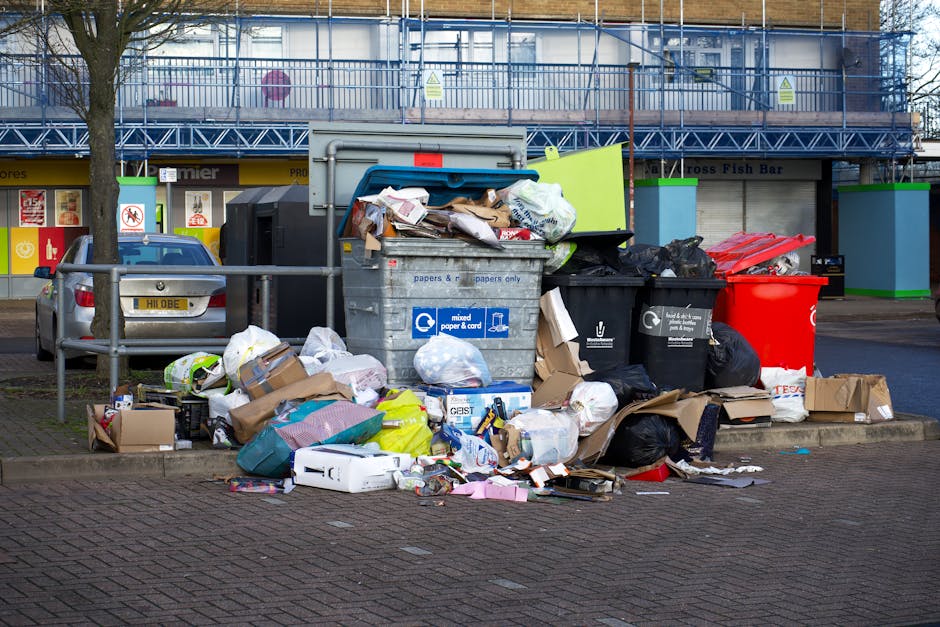
Bulky garden waste collection after Mill Hill clearances
If you have just finished a clearance in Mill Hill, the last thing you usually want is a neat pile of heavy branches, old turf, hedge cuttings, broken fencing, and awkward bags sitting in the drive. Bulky garden waste collection after Mill Hill clearances is the simple, sensible next step when the garden has been stripped back and the mess has outgrown your bins. It is about getting the bulky stuff removed quickly, safely, and in a way that leaves the space ready for whatever comes next, whether that is a tidy-up, a redesign, or just a quiet cuppa in a cleaner garden.
This guide walks through how the service works, who it suits, what to expect, and how to avoid the common pitfalls that turn a straightforward job into a nuisance. We will also look at best practice, a practical checklist, and a few real-world examples from everyday garden clearances. Nothing flashy. Just the useful stuff.
Quick takeaway: once a clearance has exposed the scale of the waste, the fastest route is often a dedicated collection that can handle bulky, mixed garden debris in one visit rather than piecemeal trips to the tip.
Table of Contents
- Why Bulky garden waste collection after Mill Hill clearances Matters
- How Bulky garden waste collection after Mill Hill clearances Works
- Key Benefits and Practical Advantages
- Who This Is For and When It Makes Sense
- Step-by-Step Guidance
- Expert Tips for Better Results
- Common Mistakes to Avoid
- Tools, Resources and Recommendations
- Law, Compliance, Standards, or Best Practice
- Options, Methods, or Comparison Table
- Case Study or Real-World Example
- Practical Checklist
- Conclusion
- Frequently Asked Questions
Why Bulky garden waste collection after Mill Hill clearances Matters
Garden clearances have a habit of revealing everything at once. What looked like a manageable corner of waste suddenly becomes a heap of branches, old sleepers, soil-filled bags, dismantled sheds, thorny clippings, and the odd broken planter. That is especially true after a larger Mill Hill clearance, where you may already be dealing with a full property tidy-up and the garden is simply the next job on the list.
The obvious issue is volume, but there is more to it than that. Bulky garden waste tends to be awkward, messy, and surprisingly heavy. A few damp hedge cuttings are one thing. A stack of timber offcuts, root balls, and a waterlogged fence panel is another entirely. If you leave it too long, the pile starts to spread, attracts pests, and makes the garden harder to use or maintain. You will know the feeling: one rainy week, and the whole thing looks twice as bad.
There is also a practical sequencing point. After a house clearance, garage clearance, or loft clearance, it often makes sense to finish the outside areas quickly so the whole property feels complete. A tidy interior and an overgrown, cluttered garden can make the place feel unfinished. It is a small thing, but it matters when you are trying to move on, sell, rent, or simply reset the space.
For many households, bulky garden waste collection also removes the stress of loading, lifting, and multiple trips. Let's face it, dragging thorny cuttings into a car at 7am is nobody's favourite Saturday. A proper collection service keeps the job contained and, if done well, keeps the route from garden to vehicle clear and safe.
If your clearance includes mixed household and outside items, it may be helpful to look at broader services such as home clearance or house clearance to coordinate the whole project rather than tackling each stream separately.
How Bulky garden waste collection after Mill Hill clearances Works
In straightforward terms, the process is a collection and removal service for large garden waste that cannot be handled easily through ordinary household disposal. It is usually arranged after a clearance, when the main job is already done and the remaining waste is too bulky, mixed, or heavy to move by hand without proper equipment.
Most services begin with a description of what needs removing. That might include branches, hedge cuttings, grass turf, roots, soil, old compost, broken outdoor furniture, plant pots, timber, fencing, or dismantled shed material. The more accurate the description, the better. Not because anyone wants to be fussy, but because bulky garden waste can vary a lot in size, weight, and handling needs.
On the day, a team will normally assess access, load the materials, and separate items if they need different treatment. Green waste and timber may be handled differently from treated wood, soil, stone, or general mixed waste. If the job follows a bigger property tidy-up, the collection may be coordinated alongside other waste streams such as general waste removal or, where construction or landscaping work has left rubble and offcuts, builders waste clearance.
Good access makes a big difference. A driveway, side passage, or clear front path speeds everything up. Tight access is not a deal-breaker, but it can affect time, labour, and the amount of manual handling required. To be fair, a few extra minutes spent clearing a route can save a lot of faff later on.
It is also worth remembering that not all "garden waste" is the same. Fresh cuttings are one thing. Heavy soil, stones, tree stumps, concrete edging, or treated timber often need a different approach. That distinction is easy to miss, and it is one reason a quick, clear conversation before collection pays off.
Key Benefits and Practical Advantages
The biggest benefit is simple: it clears space fast. Once the bulky stuff is gone, the garden feels usable again. Paths open up. Lawn edges reappear. You stop stepping around stacked bags and can actually see what needs doing next.
There are a few other advantages worth calling out:
- Less physical strain: bulky waste is often awkward, sharp, wet, or simply too heavy to shift safely without help.
- Better time efficiency: one planned collection is usually easier than several small disposal runs.
- Cleaner site finish: a proper clearance can leave the garden ready for landscaping, replanting, or photography.
- Reduced clutter pressure: no one enjoys living with a pile of branch ends and battered bags by the fence.
- More predictable handling: mixed waste is assessed and removed in a structured way rather than being left to guesswork.
There is also a peace-of-mind factor. A professional collection can make a complicated clearance feel finishable. That matters more than people think. When a job is half-done, it hangs over you. When the bulky waste is gone, the rest becomes easier to deal with, even if there is still pruning or resurfacing to do.
If you are comparing related services, garden waste removal is often part of a wider outside-area reset, while garden clearance may cover the full clearing of a space rather than just the bulky items. A combined approach can be more practical than splitting the work into tiny pieces.
Who This Is For and When It Makes Sense
This service suits anyone who has finished, or nearly finished, a clearance and is now facing the heavy outside leftovers. Homeowners are the obvious group, but they are not the only ones.
It makes sense for:
- people clearing a garden after a house move or property sale
- landlords preparing a rental for new tenants
- families who have tackled a long-overdue back-garden tidy
- people dealing with storm damage, overgrowth, or hedge reduction
- property managers finishing an end-of-tenancy clean-up
- anyone whose clearance has produced more green waste than expected
It also fits well after other clearance projects. For example, a loft clearance may reveal general decluttering inside, while the garden contains the old decking, timber, or shed parts that need to go too. That mixed reality is common. Rarely neat, rarely tidy, always a bit more than planned.
If you are working through a flat, garage, or whole-property project, related services like flat clearance and garage clearance can help shape the wider job. It is often more efficient to line up the outside collection with the rest of the clearance rather than leaving the garden as a separate headache for next week.
Step-by-Step Guidance
Here is a practical way to handle bulky garden waste after a Mill Hill clearance without turning it into a weekend saga.
- Sort what is actually garden waste. Separate green waste, timber, soil, stone, old garden furniture, and any mixed rubbish. This helps you understand what needs special handling.
- Check access routes. Look at side gates, narrow paths, low branches, wet grass, and steps. If a large item has to be moved through a tight gap, plan for that early.
- Estimate volume honestly. A couple of sacks is not the same as a full trailer load. Underestimating usually causes delays. Happens all the time.
- Flag any awkward materials. Treated timber, concrete, heavy sleepers, roots, and soil can change the collection method. Mention them up front.
- Choose a collection window. Book a time that works with your clearance timetable. If you are still pruning, leave enough room to finish the messy bits first.
- Prepare the waste for loading. Stack branches neatly, keep sharp items visible, and avoid overfilling bags to the point where they split.
- Confirm the finish. Once the bulky waste is removed, check for smaller debris, nails, wire, or broken stakes that may have been missed.
One small tip: keep a clear "landing zone" near the gate or driveway. Even a modest space helps the loading process move much faster and reduces dragging through flowerbeds or damp soil.
Expert Tips for Better Results
After enough clearances, a few habits stand out as genuinely helpful.
First, keep green waste separate from treated or man-made materials. It is easier to process and easier to explain. If branches are mixed with old fence panels, bags of soil, and broken toys, the collection becomes slower and a bit more expensive to sort.
Second, cut long branches down where safe to do so. You do not need to reduce everything to neat little bundles, but awkward lengths can waste space and make loading trickier. The same goes for thorny clippings; modest bundling helps.
Third, think about weather. A dry morning is easier than a wet afternoon. Wet waste is heavier, paths are slippery, and soil sticks to everything. British gardens are lovely, but they can turn into a mud patch in ten minutes flat.
Fourth, plan the clearance sequence. If a garden is being cleared before landscaping, keep anything reusable aside before the waste team arrives. Sometimes a timber sleeper, a decent planter, or a salvageable shed door is worth saving. You may not need it now, but you might later.
Fifth, use the right service for the right material. Bulky garden waste collection is not always the whole answer. If your clearance includes old furniture from a patio set or broken internal items from a nearby room, it may be better handled as part of furniture disposal or furniture clearance.
Expert summary: the smoother the sort, the simpler the collection. If you can separate green waste, timber, and hard materials before the team arrives, you usually save time, reduce friction, and get a cleaner finish.
Common Mistakes to Avoid
Most problems with bulky garden waste collections are avoidable. The frustrating part is that they are usually obvious in hindsight.
- Mixing everything together. A single load of "garden stuff" can hide soil, metal, plastic, and treated wood, which complicates removal.
- Leaving access checks until collection day. A locked gate, parked car, or overgrown side path can slow everything down.
- Underestimating the weight. Wet turf and soil are far heavier than they look. Really heavy, actually.
- Forgetting about sharp or thorny waste. It is easy to get scratched while moving cut branches if they are not handled carefully.
- Assuming all garden waste is compostable. Not necessarily. Treated timber, contaminated material, and mixed waste need different routes.
- Holding on to waste too long after a clearance. The longer it sits, the more it becomes a nuisance and the more likely it is to spread.
Another common oversight is not checking what else the garden project is producing. If the clear-out also includes shed parts, broken storage, or garage overflow, a broader service such as loft clearance or home clearance may be part of the same overall job. That is worth thinking through early.
Tools, Resources and Recommendations
You do not need a workshop full of gear to prepare for collection, but a few basics make the job smoother.
- Heavy-duty gloves: useful for prickly branches, splinters, and general handling.
- Garden sacks or reusable bags: better for clippings and smaller material.
- Secateurs or loppers: handy for reducing branch length where safe and sensible.
- Wheelbarrow or garden trolley: helps move material without dragging it across paths.
- Rake and broom: for the final sweep once the bulky pieces are gone.
For larger, mixed, or repeated clearances, it helps to work with a team that understands both household waste and outdoor waste streams. If you are comparing providers, pricing and quotes can help you gauge what is included, while recycling and sustainability gives a useful sense of how waste is handled after collection.
On the trust side, it is sensible to look at operational pages such as insurance and safety and the health and safety policy. They may not be the most exciting pages on the internet, granted, but they matter when heavy lifting and site access are involved.
Law, Compliance, Standards, or Best Practice
For garden waste removal in the UK, the safest approach is to follow established waste-handling best practice and use a responsible collector who can manage disposal correctly. The exact legal duties depend on the type of waste, who produces it, and how it is moved, so it is best to avoid guessing on the day and instead work with a provider that is set up to handle waste properly.
As a general rule, waste should be identified accurately, handled safely, and taken to appropriate disposal or recovery routes. That matters particularly when garden waste is mixed with treated timber, soil, rubble, or other non-green material. There can also be extra care needed for sharp debris, broken glass from outdoor features, or items with nails and fixings left in them.
Best practice usually includes:
- clear item descriptions before collection
- safe lifting and loading methods
- separation of waste types where practical
- responsible recycling where material quality allows
- careful attention to access and site safety
If you are managing the job yourself, keep routes clear and avoid overloading bags. If you are using a collection service, ask how they approach sorting, safe loading, and recycling. A straightforward answer is a good sign. A vague one, less so.
For business or managed property settings, those expectations become even more important. Where garden waste is linked to a commercial premises, business waste removal may be the better fit than a domestic arrangement.
Options, Methods, or Comparison Table
There are a few ways to deal with bulky garden waste after a Mill Hill clearance. The best option depends on volume, access, time, and how mixed the waste is.
| Method | Best for | Strengths | Limitations |
|---|---|---|---|
| DIY trips to disposal facilities | Small amounts of manageable waste | Can suit light, occasional jobs | Time-consuming, physically demanding, awkward for bulky or wet material |
| Bagging and curbside handling | Smaller green waste volumes | Simple when the waste is light and well sorted | Not ideal for branches, roots, timber, or heavy mixed waste |
| Dedicated bulky garden waste collection | Large, awkward, or mixed waste after a clearance | Fast, practical, reduces lifting and transport hassle | Needs clear description and access planning |
| Combined clearance service | Gardens plus other household, garage, or shed items | Efficient for whole-property projects | May be unnecessary for very small jobs |
In many Mill Hill clearances, the combined route is the most efficient because the garden is rarely the only area needing attention. If the job includes leftover items from a shed, a front room, or a garage, a joined-up approach avoids duplication and keeps the whole clearance moving.
Case Study or Real-World Example
Picture a typical late-spring clearance in Mill Hill. A family has cleared out an overcrowded back garden after years of gradual build-up: dead shrubs, an old rotten trellis, half a dismantled shed, a few bags of hedge cuttings, and a line of timber sleepers that are too heavy for a car boot but too awkward to ignore. The garden looks bigger already, but the waste is piled in the only clear corner. Naturally.
The first step is sorting. Green waste goes one side, timber another, and the heavy bits are kept near the gate. The access route is checked for loose slabs and low branches. A collection is then scheduled once the final pruning is done, so nothing gets left behind.
On collection day, the team can load the materials in a logical order: lighter clippings first, then branches, then heavier timber and mixed waste. The result is a much cleaner finish, and the space is ready for a fresh lawn edge and new planting. The family still has a bit of sweeping to do afterwards, but the hard part is over. That moment when the pile is gone and you can actually see the back fence again? Very satisfying.
This kind of job often sits alongside wider clearance work. If the property has also been decluttered indoors, services such as furniture clearance or waste removal can help close the loop without leaving one messy corner behind.
Practical Checklist
Use this before booking or on the morning of collection.
- Have you separated green waste from timber, soil, and mixed rubbish?
- Are the bulky items stacked near the access point?
- Can the team get through gates, side paths, or driveways safely?
- Have you flagged heavy sleepers, roots, stones, or treated wood?
- Are sharp branches or nails properly visible and not hidden in bags?
- Is there space for loading without damaging plants, walls, or paving?
- Have you checked whether the job needs a wider clearance as well?
- Do you know whether any items should be kept aside for reuse or recycling?
- Have you swept up loose debris so the finish is clean?
- Are you happy with the planned timing and scope?
It sounds simple, but a clean checklist cuts out most of the awkward surprises.
Conclusion
Bulky garden waste collection after Mill Hill clearances is really about restoring order after the big job is done. Once the house, garage, loft, or front room has been cleared, the outside space should not become the place where everything gets dumped and forgotten. A proper collection clears the heavy, awkward material in one go, reduces risk, and leaves the garden ready for practical use again.
The best results usually come from clear sorting, sensible access planning, and a realistic view of what is actually in the pile. That combination keeps things moving smoothly and avoids the kind of small delays that somehow feel enormous when you are already tired from the clearance itself. And honestly, when the last branch is gone and the space opens up, it feels like a weight has lifted.
If you are ready to move from "messy pile" to "finished garden", a simple next step is to check the service details, review the practical information, and arrange collection at a time that fits your clearance schedule.
Get a free quote today and see how much you can save.
Frequently Asked Questions
What counts as bulky garden waste?
Bulky garden waste usually includes heavy or awkward materials such as branches, hedge cuttings, roots, turf, soil, timber, broken fencing, shed parts, and large bags of mixed green waste. If it is difficult to carry, stack, or move in ordinary household bins, it probably counts as bulky.
Can bulky garden waste be collected after a clearance in the same visit?
Yes, in many cases it can. If the garden waste is part of a wider clearance, it is often more efficient to collect it alongside other items rather than splitting the job into several visits. That said, mixed materials should be described clearly beforehand.
Do I need to separate green waste from timber and soil?
It is strongly recommended. Separating green waste from treated wood, soil, and rubble helps the collection go faster and makes sorting easier afterwards. It also reduces the chance of awkward surprises on the day.
What happens if the garden waste is wet or very heavy?
Wet waste is heavier and more awkward to load. It can take longer to move and may need more care on slippery surfaces. If the pile has been sitting through rain, it is worth mentioning that when you book the collection.
Is this service suitable after a shed or fence removal?
Yes, provided the waste is described accurately. Shed and fence jobs often leave behind timber, fixings, and mixed debris that sit comfortably within bulky garden waste collection. Treated wood and heavy sections should be flagged early.
How do I prepare my garden before the collection team arrives?
Clear access paths, stack items near the gate or driveway, and separate anything you want to keep. If possible, place the heaviest or sharpest items where they can be reached safely without dragging them across planting beds or lawn edges.
Can old garden furniture be taken with the waste?
Often yes, if the provider accepts mixed outside items. Broken outdoor chairs, tables, benches, and similar pieces may fit within a wider clearance job. If the item is more like indoor furniture, a dedicated furniture service may be more suitable.
What if my garden waste includes rubble or concrete?
Rubble, concrete, stones, and similar hard materials usually need a different handling approach from green waste. Mention them separately when arranging collection so the right method can be used.
Does bulky garden waste collection help with property sales or lettings?
Absolutely. A clear, tidy garden improves first impressions and helps the property feel more complete after an interior clearance. It is one of those small visual details that can make a place feel cared for rather than half-finished.
How do I know whether I need garden clearance or waste removal?
If the job is mainly outdoor green waste and awkward garden materials, garden clearance is usually the closer fit. If the waste is mixed, includes household items, or forms part of a larger property tidy-up, waste removal may be the broader option. Sometimes the right answer is a bit of both.
Is it worth booking a collection if I only have one large pile?
Usually yes, if that pile is bulky, heavy, or hard to move safely. One large, awkward load can be more troublesome than several smaller bags. A collection service saves time and reduces strain, especially after you have already done the hard work of the clearance.
What should I check before choosing a provider?
Look for clear explanations of what is included, how waste is handled, and how access or heavy items are managed. Pages such as about us, insurance and safety, and recycling and sustainability are useful places to get a feel for how the service works and what standards are followed.