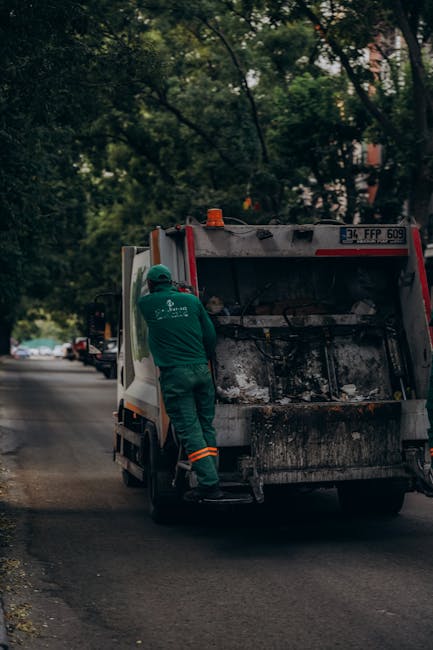
Same-day rubbish removal in Mill Hill for emergency clears
If you've got a room full of broken furniture, bags of waste blocking the hallway, or a clearance job that simply cannot wait until tomorrow, same-day rubbish removal in Mill Hill can feel less like a convenience and more like a lifeline. Truth be told, emergency clears usually happen at the worst possible moment: a tenant has gone, builders have left a mess, a delivery has failed, or the clock is ticking on an inspection. Nobody wants to spend a whole day staring at debris and wondering how it will all get shifted.
This guide explains how urgent rubbish clearance works, what to expect, who it helps most, and how to avoid the common mistakes that turn a quick job into a stressful one. You'll also find practical tips on safety, compliance, pricing questions, and the kind of preparation that helps a same-day job run smoothly. If you're trying to make a sensible decision fast, you're in the right place.
Table of Contents
- Why Same-day rubbish removal in Mill Hill for emergency clears Matters
- How Same-day rubbish removal in Mill Hill for emergency clears Works
- Key Benefits and Practical Advantages
- Who This Is For and When It Makes Sense
- Step-by-Step Guidance
- Expert Tips for Better Results
- Common Mistakes to Avoid
- Tools, Resources and Recommendations
- Law, Compliance, Standards, or Best Practice
- Options, Methods, or Comparison Table
- Case Study or Real-World Example
- Practical Checklist
- Conclusion
- Frequently Asked Questions
Why Same-day rubbish removal in Mill Hill for emergency clears Matters
Emergency rubbish removal matters because clutter rarely stays a small problem for long. A blocked entrance can slow tradespeople down, create a trip hazard, and make a property feel unmanageable very quickly. In Mill Hill, where homes, flats, offices and mixed-use spaces sit side by side, delays can also affect neighbours, landlords, customers and service schedules. One overflowing pile in a stairwell can become three complaints by the afternoon. That's just how these things go.
Same-day service is especially useful when the issue is time-sensitive rather than routine. Think of a tenancy handover, post-renovation debris, shop refit waste, or a garage that has to be emptied before a new utility installation. In those moments, waiting for a standard collection window can be the wrong answer. You need a fast, tidy removal that gets the space back under control without adding more hassle.
There is also a safety angle. Some rubbish is merely inconvenient; other loads are awkward, heavy, sharp, dusty, or potentially unsafe to move without the right approach. Old furniture with exposed fixings, broken shelving, wet waste after a leak, or mixed junk stacked in a cramped hallway can all increase risk. That's where a professional clear-out can be worth far more than the cost alone.
If you want to understand the standards behind a responsible service, it is worth reading the company's health and safety policy and insurance and safety information. Those pages help set expectations before anyone turns up at the door.
Quick takeaway: same-day rubbish removal is not just about speed. It is about reducing disruption, keeping people safe, and getting a property usable again before a small problem becomes a bigger one.
How Same-day rubbish removal in Mill Hill for emergency clears Works
The process is usually more straightforward than people expect, which is a relief when you're already stressed. You contact the provider, explain what needs removing, share photos if possible, and ask whether they can attend the same day. If they can, they'll usually estimate the load, discuss access, and confirm timing. For urgent work, clarity matters more than perfect detail. A quick video, a few photos, or a simple description can often be enough to get things moving.
On arrival, the team assesses the rubbish, checks any access constraints, and confirms the plan. In many cases, the aim is to remove as much as possible in one visit. That might mean a two-person lift for bulky items, careful loading from upper floors, or separating general waste from items that need special handling. If the job is in a tight area, such as a basement, narrow corridor or shared entrance, the team should work carefully and keep disruption low. You really do notice the difference when people are organised.
A good same-day clearance is usually built around a few simple steps:
- Initial enquiry with photos or a clear description.
- Timing confirmation and an estimated charge or quote.
- Arrival, access check, and load assessment.
- Safe removal, loading, and sweep-up where appropriate.
- Responsible disposal, recycling, or onward sorting.
For pricing questions, it helps to review a provider's pricing and quotes page before you book. That gives you a clearer sense of how same-day urgency, access, and load size may affect the final figure.
If payment security is on your mind, which is fair enough, look at the company's payment and security information as well. A trusted business should make the process feel straightforward, not mysterious.
Key Benefits and Practical Advantages
The biggest benefit is obvious: speed. But there is more to it than that. Same-day clearance can stop a property from falling behind schedule, especially where handovers, inspections, tenant moves or contractor work depend on a clear space. In a busy London area like Mill Hill, that kind of flexibility can save a lot of back-and-forth.
Here are the practical advantages that matter most:
- Faster turnaround: useful when access or deadlines are tight.
- Reduced stress: one call can solve a problem that has been hanging over you all morning.
- Safer spaces: fewer trip hazards, less manual lifting, less clutter.
- Better presentation: important for landlords, agents, shop owners and businesses.
- Less interruption: you can get on with the rest of the day instead of managing waste yourself.
- Responsible disposal: a good provider will sort for reuse, recycling or proper disposal.
There's a quieter benefit too. A clear space changes how a place feels. A hallway full of old furniture can feel heavy and awkward; once it's gone, the room suddenly looks brighter, larger and easier to deal with. Not dramatic, just real.
If sustainability matters to you, it should), ask how items are handled after collection. The recycling and sustainability page is a useful indicator of how waste is sorted and what happens beyond the van door.
Who This Is For and When It Makes Sense
Same-day rubbish removal is not for every situation. For routine decluttering, a planned visit may be better. But for urgent or awkward jobs, it often makes perfect sense. The service is commonly used by landlords, letting agents, homeowners, tenants, offices, retail businesses, tradespeople, and estate managers.
Typical scenarios include:
- End-of-tenancy clearances with little time before check-out or check-in.
- Builders' waste that has built up faster than expected.
- Office or retail clear-outs before a fit-out, inspection, or reopening.
- Garage, loft, or shed contents that must be removed urgently.
- Fly-tipped rubbish or dumped items that need dealing with quickly.
- Post-event waste, bulky packaging, or a sudden backlog after a delivery.
It also makes sense when the waste is physically difficult to move. Heavy desks, damp carpet, awkward beds, broken white goods, or a mix of random items can be exhausting to handle without help. Let's face it, nobody wants to discover at 7.30 in the morning that the old sofa is heavier than it looked yesterday.
If you are managing a commercial space, speed is only part of the story. You'll also want a provider who understands access issues, public areas, building rules and timing windows. The homepage at Office Clearance Mill Hill is a good starting point if you're comparing options for local help.
Step-by-Step Guidance
If you want same-day rubbish removal to go smoothly, the process starts before the van arrives. A little preparation saves time, and sometimes money too. Nothing fancy. Just common sense, really.
1. Identify what needs removing
Walk through the area and separate what must go now from what can stay. This is especially useful if the space contains mixed items, like old office furniture beside general rubbish, or household junk mixed with reusable items. Clear identification helps avoid delays on the day.
2. Take a few photographs
Photos give the team a better idea of volume, access, and any likely lifting issues. If the waste is in a basement, an attic or a shared corridor, include wider shots. One or two close-ups can be useful, but the wider view usually tells the real story.
3. Explain access conditions
Stairs, parking restrictions, loading bays, narrow gates, or timed entry systems can affect how quickly a job is completed. Share this early. It's a small detail that often makes a big difference. If there is a lift, say so. If there isn't, say that too.
4. Confirm timing and any urgency points
Be clear about the deadline. Is it before a tenant arrives? Before builders start? Before the school run means the driveway disappears for the afternoon? The more precise you are, the easier it is for the provider to schedule the visit properly.
5. Ask how the waste will be handled
A proper clearance service should be able to explain how waste is sorted, whether recyclable materials are separated, and what happens to items that can be reused. That's a sign of care, not just speed.
6. Prepare the space
Move small valuables, keep keys or access codes ready, and make sure the route to the waste is safe. If you can stack items neatly without causing extra lifting risk, do it. But don't try to overdo it or injure yourself. A tidy pile is helpful; a heroic one-man carry from the attic is not.
7. Be available for a quick check
Sometimes the team will need a quick yes-or-no on a borderline item. Staying reachable avoids delays. After the job, check that the area has been left clean and that anything agreed has been removed.
Expert Tips for Better Results
Over the years, the jobs that go best tend to have one thing in common: the customer makes decisions early. Not every detail, just the important ones. Here are a few tips that genuinely help.
- Group items by type. Keep furniture, bagged waste, and fragile or unusual items separate if possible.
- Share access information upfront. Time lost searching for parking is time not spent clearing.
- Flag anything potentially hazardous. This includes sharp metal, broken glass, wet waste, or anything that smells off.
- Ask about recycling first. A thoughtful provider will be happy to explain the route your waste takes.
- Choose clarity over guesswork. If you are unsure whether something can be taken, ask before the team arrives.
- Keep the job area visible. Good access means quicker removal and less chance of something being missed.
One small but useful trick: if you have a mixed load, take a photo after you have gathered everything in one place. It makes the volume easier to judge, and it stops the usual "there was only a bit of rubbish" conversation. We've all heard that one before.
If you are the sort of person who likes to check the fine print, the company's health and safety guidance and safety information are worth a look before booking. Good preparation and good standards tend to go hand in hand.
Common Mistakes to Avoid
Emergency clears can feel rushed, and that is exactly when mistakes creep in. A bit of care at the start prevents most of them.
- Not showing enough detail. A vague "there's a lot of stuff" message is hard to quote from.
- Assuming every item is standard waste. Some things need special handling or separate sorting.
- Forgetting access restrictions. Parking problems can delay an otherwise easy job.
- Leaving fragile items loose. Broken glass or open sharp edges can create avoidable risk.
- Choosing only on speed. Fast is useful, but unsafe or unclear is not.
- Skipping recycling questions. If sustainability matters, ask about it early.
Another common issue is underestimating the amount of waste. A single room can hide a surprising volume once things are taken off shelves or pulled out from corners. The stack looks manageable until it isn't. That's why photos and honest descriptions matter so much.
One more thing: don't assume the cheapest option is the best option for an urgent job. If a company is clear about pricing, punctuality, and disposal standards, that usually saves trouble later. Cheap can become expensive in a hurry.
Tools, Resources and Recommendations
You do not need much to prepare for same-day rubbish removal, but a few simple tools can make the process smoother. Most are probably already in a cupboard or utility room.
| Tool or Resource | Why It Helps | Best Use |
|---|---|---|
| Phone camera | Lets you send clear photos for a quicker quote | Initial enquiry and access checks |
| Boxes or bags | Keeps smaller items contained and easier to load | Loose household or office waste |
| Gloves | Basic protection while sorting items | Light preparation before collection |
| Tape or labels | Helps separate keep, donate, recycle, and remove piles | Fast sorting before a same-day visit |
| Building access details | Reduces delays on arrival | Flats, offices, commercial units |
For a responsible service, a few supporting pages can be useful reading before you book. The recycling and sustainability information gives insight into disposal values, while the pricing and quotes page helps you understand how estimates are usually handled. If you care about smooth and secure transactions, the payment and security page is another sensible stop.
And if you're checking the company's standards more broadly, the modern slavery statement can be a useful sign of wider business ethics and compliance awareness. It's one of those pages people skip, but it says a lot.
Law, Compliance, Standards, or Best Practice
Waste removal in the UK should be handled with care, especially when there is any risk of fly-tipping, poor disposal, or unsafe lifting. You do not need to become a legal expert just to book a clearance, but it helps to understand the basic principles.
For most customers, the practical questions are these: will the waste be handled responsibly, will the team work safely, and can the provider explain what happens to the materials after collection? A serious clearance company should be able to answer those questions clearly. If they can't, that is a warning sign.
Best practice usually includes:
- Safe manual handling and careful loading.
- Appropriate vehicle use and secure transport.
- Sorting items for reuse or recycling where possible.
- Clear pricing terms before work begins.
- Respect for access routes, neighbours, and shared spaces.
For customers with businesses or managed properties, good documentation is also helpful. Keep records of the booking, the date, the service scope, and any notes about access or special items. It keeps everything neat if a question comes up later. Slightly boring, yes. Very useful, also yes.
Accessibility matters too, especially where people with reduced mobility need access to the property during or after the job. If that applies, review the provider's accessibility statement and make sure your instructions are clear and practical.
If something ever goes wrong, it is reassuring to know how concerns are handled. That is why it can be worth checking the company's complaints procedure in advance rather than after the fact. Nobody likes needing it, but good firms should have one.
Options, Methods, or Comparison Table
When you need rubbish removed fast, there are a few routes you could take. The right one depends on volume, access, urgency and how much time you have to spare. Here's a practical comparison.
| Option | Best For | Pros | Limitations |
|---|---|---|---|
| DIY disposal | Very small loads and flexible schedules | Low direct cost if you already have transport | Time-consuming, physically demanding, disposal rules can be tricky |
| Skip hire | Longer projects with predictable waste volume | Useful for ongoing building work | Needs space, permits may be needed, not ideal for a same-day emergency |
| Same-day rubbish removal | Urgent clearances and immediate access problems | Fast, hands-off, often much less disruption | Usually priced around speed, labour and load size |
| Planned clearance visit | Non-urgent decluttering or larger pre-booked jobs | More time to prepare and compare options | Not suitable if you need the space cleared today |
For most emergency clears, same-day removal is the most practical choice because it puts the labour, transport and disposal in one place. That convenience matters a lot when a property needs to be usable again quickly.
Case Study or Real-World Example
Picture a small office off a busy Mill Hill road on a weekday morning. A tenant has moved out, a new team is due the next day, and the final room is still full of old chairs, filing cabinets, cardboard, and broken shelving. The space is not dangerous in a dramatic sense, but it is awkward, dusty and clearly not ready for use. The landlord needs it cleared before the cleaner arrives. That afternoon, preferably.
In a situation like that, the most useful move is to send photos, confirm access, and ask for a same-day visit. If the clearance team knows about parking, stairs, and any heavy items in advance, they can arrive with the right plan. One quick load might remove the bulk of the mess, while smaller items are swept through at the end. The difference is not just the removal of waste, but the restoration of momentum. The room goes from "stuck" to "sorted" in a single visit.
Another common example is a household emergency after a renovation surprise. Maybe the builder has left a pile of timber, packaging and broken plasterboard near the front door. Maybe there's a baby due home later that day and you just need the entryway clear, safe and calm. That sort of job does not need a dramatic story. It just needs someone to turn up, work carefully, and make the space feel normal again.
That, really, is the value of urgent rubbish removal: it gives people back a usable space without turning the day into a logistical puzzle.
Practical Checklist
Use this quick checklist before booking a same-day collection. It keeps things simple and avoids last-minute surprises.
- Have you listed everything that needs removing?
- Have you taken clear photos from a few angles?
- Do you know whether the waste is general, bulky, or potentially hazardous?
- Have you checked access, parking, stairs, lifts, and time restrictions?
- Have you told the provider how urgent the job is?
- Have you asked about pricing, payment, and what is included?
- Have you checked how recyclable or reusable items are handled?
- Have you removed valuables or sensitive documents from the area?
- Have you arranged someone to answer the door or approve the work if needed?
- Have you confirmed the expected arrival window?
Small checklist, big difference. It really can save you a headache.
Conclusion
Same-day rubbish removal in Mill Hill for emergency clears is at its best when it is quick, clear, and responsibly handled. Whether you are dealing with a sudden property handover, an awkward pile of building waste, or a commercial space that needs to be usable again before the day is out, the right service gives you breathing room when you need it most. Speed matters, but safe handling, transparent pricing and proper disposal matter too.
If you remember only one thing, make it this: share the details early. Photos, access notes, timing, and any unusual items all help the job move faster and more smoothly. A little preparation on your side usually leads to a much better result. And once the rubbish is gone, the space feels different straight away. Cleaner, lighter, easier. That's the part people tend to notice first.
Get a free quote today and see how much you can save.
When the pressure is on, a calm, organised clearance can make the whole day feel manageable again. That's worth a lot, honestly.
Frequently Asked Questions
How quickly can same-day rubbish removal in Mill Hill usually happen?
It depends on availability, load size, and access, but the point of a same-day service is that the job is completed on the day you call, subject to scheduling. If you contact the provider early and share clear photos, you improve the chances of a fast turnaround.
What kinds of emergency clears are best suited to same-day removal?
Typical examples include end-of-tenancy clearances, bulky household waste, builders' rubble, office furniture, and urgent rubbish after a move or renovation. If the space needs to be cleared quickly for safety, access, or deadline reasons, same-day service often makes sense.
Can I get a quote without a site visit?
Often yes. Photos, a written description, and access details are usually enough for an initial estimate. If the job is unusually large or awkward, the provider may need a bit more information before confirming the price.
Is same-day rubbish removal more expensive than a booked collection?
It can be, because urgent timing and labour are part of the service. That said, a faster clearance may still be better value if it prevents delays, keeps a property liveable, or avoids holding up a business schedule.
What should I tell the team before they arrive?
Tell them what needs removing, how much there is, whether there are stairs or parking restrictions, and if any items are especially heavy, sharp, or awkward. Good information upfront helps the job run more smoothly.
Do I need to sort the waste before collection?
Not always, but some sorting helps. Grouping items by type, removing valuables, and keeping access clear can save time. If you are unsure what can be taken, ask before the visit rather than guessing.
Will the rubbish be recycled?
Responsible providers try to sort items for recycling, reuse, or proper disposal where possible. The exact process depends on the load, but you can ask about their sustainability approach before booking.
What if I have items that may be hazardous or restricted?
Tell the provider in advance. Some materials need extra care or separate handling. It is much better to flag them early than to leave the issue until the team is standing at the door.
Can same-day rubbish removal work for offices and commercial spaces?
Yes. In fact, it is often ideal for offices, retail units, and managed buildings where timing and minimal disruption matter. Access details, building rules, and disposal expectations should be confirmed clearly in advance.
How do I know if a rubbish removal company is trustworthy?
Look for clear pricing, sensible communication, safety information, and transparent payment practices. Trustworthy businesses are usually open about their process and willing to answer practical questions without making everything sound vague.
What happens if access is difficult on the day?
The team may need to adapt the removal plan, which could affect timing or cost. That is why it is wise to share access issues early, especially in Mill Hill properties with tight parking, stair-only access, or shared entrances.
Can I combine rubbish removal with office or house clearance?
Yes, and this is often the smart move. If you already need a clearance, combining tasks can reduce disruption and avoid paying for multiple separate visits. It is worth asking whether the provider can handle the full scope in one go.
What should I do after the rubbish has been removed?
Do a quick walk-through, check that agreed items have gone, and confirm the area is left tidy. If you're preparing for another contractor, tenant, or inspection, this is a good moment to reset the space fully.
Where can I find more company information before booking?
You can review the provider's pages on pricing and quotes, recycling and sustainability, and insurance and safety to get a better sense of how they work and what standards they follow.